传说中,16世纪日本大阪的统治者丰臣秀吉的成功源于7个吉祥物。末流古董商人小池则夫被要求策划一个以丰臣秀吉为主题的展览,并且找到最后一块幸运物——刻有中国凤凰的茶碗。但与此同时,另一家可疑的艺术基金会也在寻找它。而穷困潦倒的陶艺家野田佐助则被要求制作这件瓷碗的仿品。
讲述一群走上不归路的逃亡者,在路上发生的一系列意外囧事。
故事讲述一位被工作淹没、对未来根本没有时间去想象的女人,她麻痹的人生被一个总是在生活里找乐子、行事放荡不羁的直播男子打扰后,产生了一连串的发酵过程。
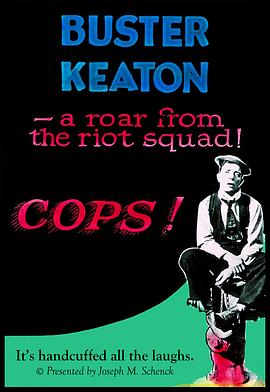
This very Kafka-esque film is Keaton's response to the Fatty Arbuckle scandal.[citation needed] Even though the central character's intentions are good, he cannot win, no matter how inventively he tries. He gets into various scraps with police officers throughout the film. Eventually, he unwittingly throws a bomb into a police parade and ends up being chased by a horde of cops. At the end of the film, Keaton's character locks up the cops in the police station. However, the girl he is trying to woo disapproves of his behavior and gives him the cold shoulder. Therefore, he unlocks the police station and is immediately pulled in by the cops. The film ends with the title "The End" written on a tombstone with Keaton's pork pie hat propped on it. One of Keaton's most iconic and brilliantly-constructed short films, Cops was deemed "culturally, historically, or aesthetically significant" by the United States Library of Congress and selected for preservation in their National Film Registry in 1997.